Best Equipment for University and School Gyms
December 08, 2025
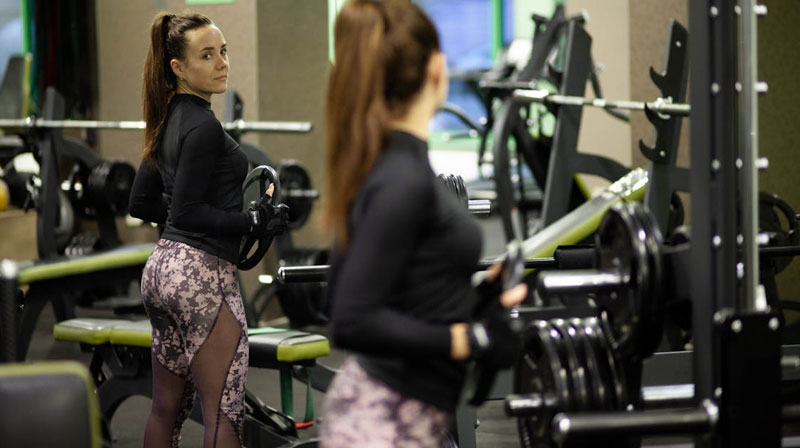
University and school gyms play a crucial role in promoting physical fitness, mental well-being, and an active lifestyle among students. Unlike commercial gyms, these facilities must support large user groups, high-frequency usage, multi-sport training, and varying fitness levels—all while staying within a defined budget.
Choosing the right equipment ensures durability, safety, and versatility. Below is a complete guide to the best gym equipment options for educational institutions.
1. Multi-Function Strength Machines for All Levels
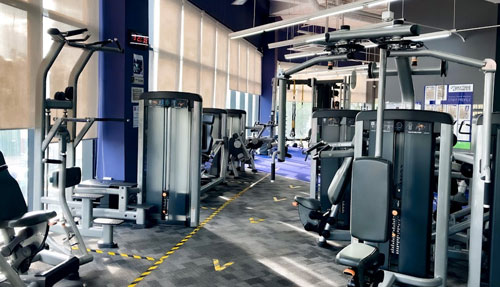
Most students—especially beginners—prefer easy-to-use selectorized machines. These machines provide controlled movement, safety, and fast adjustments.
Recommended machines
- Lat pulldown + low row dual station
- Chest press
- Leg press
- Leg extension & leg curl
- Cable crossover / functional trainer
Why they’re ideal for schools
- Low learning curve
- High safety level
- Supports large numbers of users
- Durable for long-term daily use
2. Free Weight Zone for Athletic Programs
University sports teams rely heavily on free-weight training for strength development.
Essential equipment
- Power racks or half racks
- Olympic barbells
- Bumper plates (safer for student lifting)
- Adjustable benches
- Dumbbells (1–50 kg)
- Landmine attachments
Benefits for student-athletes
- Supports strength & conditioning
- Suitable for football, basketball, track, and more
- Encourages progressive overload training
3. Cardio Machines for Daily Student Use
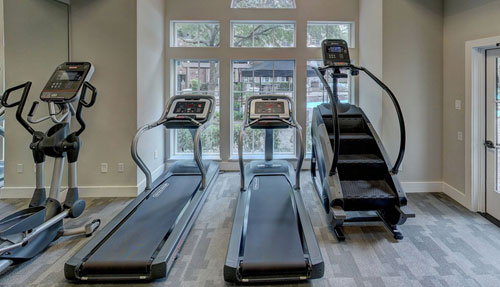
Cardio zones are high-traffic areas in school gyms, especially during exam seasons or student wellness programs.
Recommended cardio equipment
- Treadmills (shock-absorption required)
- Elliptical trainers (joint-friendly)
- Upright and recumbent bikes
- Rowing machines
- Air bikes for HIIT sessions
Why cardio is essential
- Supports weight management
- Reduces stress
- Universal accessibility
4. Functional Training Area
Functional training appeals to both athletes and casual student gym-goers.
Equipment list
- Kettlebells
- Battle ropes
- Resistance bands
- Wall balls
- Plyometric boxes
- TRX suspension trainers
Key advantages
- Great for group workouts
- Enhances coordination, agility, and balance
- Suitable for PE classes and fitness programs
5. Stretching & Recovery Zone
Young athletes experience intense training loads, so recovery cannot be ignored.
Suggested equipment
- Yoga mats
- Foam rollers
- Massage balls
- Stretching straps
- Balance pads
Why it matters
Improves flexibility, reduces injury risk, and supports student wellness initiatives.
6. Safety, Durability, and Easy Maintenance
School gyms often operate year-round and handle thousands of student visits.
Choose equipment with:
- Heavy-duty frames
- Sweat-resistant upholstery
- Simplified adjustment mechanisms
- Stable non-slip bases
- Low maintenance designs
Reliable equipment reduces long-term costs and maximizes safety.
FAQ
1. What type of gym equipment is safest for students?
Selectorized strength machines are the safest because they guide movement and prevent incorrect form.
2. Should schools invest in free-weight equipment?
Yes. Free weights are essential for athletic programs and advanced student training.
3. How much cardio equipment does a school gym need?
At minimum: 2 treadmills, 2 bikes, 1 elliptical, and 1 rower. Larger campuses need more.
4. How to reduce maintenance costs for school gyms?
Choose durable frames, avoid overly complex machines, and schedule monthly inspections.
5. Can one gym layout serve both athletes and casual students?
Yes—use clear zone separation: strength, cardio, functional, and stretching areas.