How to Ship Commercial Gym Equipment from China
October 17, 2026
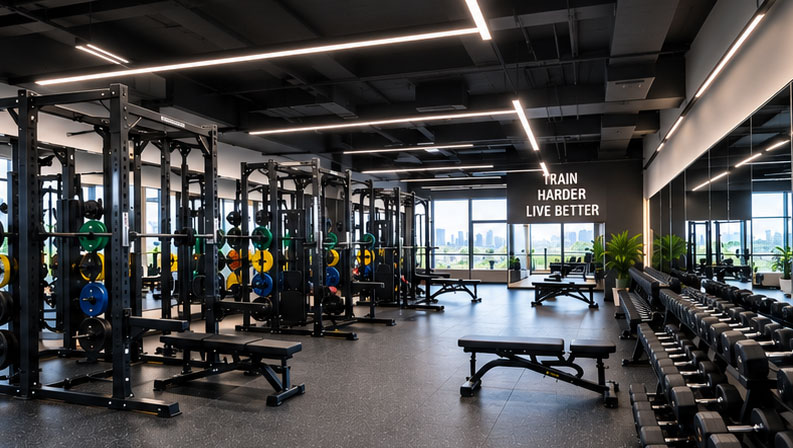
Shipping commercial gym equipment from China is an important part of purchasing fitness equipment for commercial gyms, fitness centers, hotels, corporate facilities, and large fitness projects. While choosing the right equipment manufacturer is essential, understanding the shipping process is equally important for controlling costs, protecting products, and ensuring timely delivery.
Commercial gym equipment is often heavy, bulky, and composed of multiple components. Treadmills, strength machines, power racks, cable crossover systems, and complete gym packages require careful planning for packaging, container loading, transportation, customs clearance, and final delivery.
For international buyers, working with an experienced Chinese commercial gym equipment manufacturer can simplify the shipping process and reduce unnecessary risks.
In this guide, Hix Fitness explains the main shipping methods, transportation costs, packaging requirements, customs procedures, and practical considerations buyers should understand before importing commercial gym equipment from China.
1. Choose the Right Shipping Method
The best shipping method depends on your order volume, cargo dimensions, delivery schedule, destination, and transportation budget.
For most international commercial gym equipment orders, sea freight is the primary option. Air freight and rail transportation may also be suitable for specific shipments and destinations.
1.1 Sea Freight
Sea freight is generally the most practical choice for bulk orders and complete gym projects because commercial fitness equipment is often heavy and occupies considerable space.
There are two main sea freight options:
Full Container Load (FCL)
FCL means that your shipment uses an entire shipping container.
This option is suitable for large orders, gym equipment packages, distributor purchases, and commercial fitness projects requiring multiple machines.
Advantages include:
- More control over container loading and cargo arrangement.
- Reduced handling by other cargo parties during transportation.
- Potentially lower shipping costs per unit for sufficiently large shipments.
- Greater flexibility for coordinating large equipment orders.
Less than Container Load (LCL)
LCL allows your cargo to share container space with shipments from other businesses.
It can be suitable for smaller orders that do not require a full container. However, LCL shipments may involve additional consolidation, handling, and destination charges.
Because gym equipment is often heavy or oversized, buyers should compare the total shipping cost rather than evaluating freight rates alone.
1.2 Air Freight
Air freight is generally faster than sea freight but usually more expensive, especially for heavy or bulky commercial fitness equipment.
It may be appropriate for:
- Urgent replacement parts.
- Small electronic components.
- Accessories needed to complete an installation.
- Samples or selected lightweight products.
For a complete commercial gym project, air freight is usually less economical than sea freight.
1.3 Rail Freight
Rail freight may be an option for certain shipments from China to destinations connected by suitable international rail services, particularly in parts of Europe and Central Asia.
Its availability, transit time, total cost, and customs arrangements depend on the destination and current transportation services.
Rail freight is not available for every market, so buyers should compare it with sea freight and other suitable alternatives before making a decision.
1.4 How to Choose the Best Option
| Shipping Method | Best For | Main Consideration |
| Sea freight — FCL | Large orders and complete gym projects | Container utilization and port charges |
| Sea freight — LCL | Smaller shipments | Consolidation and destination handling fees |
| Air freight | Urgent parts and small shipments | High cost for heavy or bulky cargo |
| Rail freight | Eligible destinations with suitable rail connections | Route availability and transit arrangements |
For most large commercial gym equipment purchases, sea freight offers a practical balance between cost and transportation capacity.
2. Understand Shipping Costs for Commercial Gym Equipment
Shipping costs are influenced by more than the distance between China and the destination country. Cargo volume, weight, packaging, transportation routes, port charges, customs requirements, and final delivery arrangements can all affect the total landed cost.
Before confirming an order, buyers should request a shipping quotation that clearly identifies the services included and excluded.
2.1 Main Factors Affecting Shipping Costs
Cargo volume and weight
The number of machines, packaging dimensions, and total shipment weight affect freight calculations. LCL and air freight may use different chargeable-weight or measurement rules, while container freight is generally quoted according to the container and service arrangement.
Shipping destination
Freight costs vary depending on the destination country, port, transportation route, and availability of shipping services.
Container type and utilization
Large commercial gym equipment may require careful loading to use container space efficiently. Some products may need special arrangements because of their dimensions or weight.
Packaging requirements
Additional protective materials, reinforced packaging, pallets, or special handling can increase costs but may help prevent transportation damage.
Customs duties and taxes
Import duties, VAT or other applicable taxes, customs clearance fees, and inspection charges depend on the destination market and the classification of the imported products.
Final delivery
Shipping to a seaport is different from delivering equipment to a commercial gym. Inland transportation, unloading, warehouse handling, and delivery to the installation site may create additional expenses.
2.2 Request a Complete Shipping Quotation
When comparing quotations from different freight forwarders, ask whether they include:
- Origin transportation and handling in China.
- Export documentation and customs clearance services.
- Ocean, air, or rail freight.
- Cargo insurance, if requested.
- Destination terminal and handling charges.
- Import customs clearance, where included.
- Import duties and taxes, where applicable.
- Inland transportation to the final destination.
- Unloading and any special delivery arrangements.
Not every quotation covers all these services. Comparing quotations on the same service basis helps prevent unexpected costs after the shipment arrives.
For large gym projects, it is also advisable to confirm whether the destination has suitable access for delivery trucks and whether special unloading equipment is required.
3. Prepare Commercial Gym Equipment for International Shipping
Proper packaging is essential because commercial fitness equipment contains metal frames, moving parts, electronic components, cables, upholstery, and finished surfaces that may be damaged during transportation.
A professional packaging plan should consider the equipment type, shipment duration, handling conditions, and destination environment.
3.1 Disassembly and Component Protection
Some machines can be shipped partially disassembled to reduce packaging volume and improve container utilization.
Depending on the product, this may involve removing selected frames, handles, seats, accessories, or other detachable components.
All disassembled parts should be labeled clearly, and the corresponding fasteners and installation hardware should be packed securely.
Electronic components, consoles, sensors, and other sensitive parts may require additional protective materials to reduce the risk of impact damage and moisture exposure.
3.2 Common Packaging Methods
Manufacturers may use different packaging materials depending on the equipment and transportation requirements.
- Corrugated cartons: Suitable for selected accessories, smaller components, and some disassembled parts.
- Foam and protective padding: Help protect painted surfaces, plastic components, and delicate parts.
- Plastic wrapping: Helps protect products against dust and surface contamination.
- Wooden crates or reinforced wooden packaging: May be appropriate for heavy, fragile, or irregularly shaped components.
- Pallets: Can facilitate handling and movement by forklifts when the cargo and destination arrangements permit.
The packaging method should be selected according to the characteristics of the equipment rather than applied identically to every product.
3.3 Prevent Moisture and Corrosion
International transportation may expose equipment to changing temperatures, condensation, and humid environments.
To reduce these risks, the manufacturer should use suitable surface protection, moisture-control materials when appropriate, and packaging methods designed for the anticipated transportation conditions.
Buyers should also confirm whether wooden packaging must comply with applicable international requirements, including ISPM 15 for regulated wood packaging used in international trade.
3.4 Verify Packaging Before Shipment
Before the cargo leaves the factory, buyers can request packaging photographs or videos showing:
- The condition of the equipment before packing.
- The protection used for sensitive components.
- The packaging of loose accessories and fasteners.
- The labels and package identification numbers.
- The arrangement of products inside the container, when applicable.
For large orders, clear packaging records can help with shipment verification and the investigation of potential transportation damage.
4. Understand Container Loading and Space Utilization
For bulk purchases, container loading is an important factor in controlling shipping costs and protecting equipment.
Commercial gym equipment varies significantly in size. Weight stacks, strength machines, treadmills, benches, dumbbells, and power racks all have different packaging and loading requirements.
4.1 Choose the Appropriate Container
Common dry freight containers include 20-foot and 40-foot containers, as well as 40-foot high-cube containers.
The appropriate container depends on the shipment's total volume, weight, package dimensions, loading configuration, and applicable transportation restrictions.
A larger container does not automatically mean a lower total cost. Buyers should evaluate the actual cargo arrangement and obtain a loading plan when ordering multiple equipment categories.
4.2 Optimize Container Space
Experienced loading teams can improve container utilization by arranging compatible packages efficiently.
Important considerations include:
- Confirming the dimensions of each packaged product.
- Identifying heavy or oversized items.
- Distributing weight appropriately within the container.
- Securing cargo to minimize movement during transportation.
- Keeping vulnerable components away from pressure points.
- Ensuring the loading arrangement follows applicable safety requirements.
Products should never be stacked solely to maximize space if the arrangement risks damaging the equipment or compromising cargo stability.
4.3 Request a Loading Plan
For a complete gym project or a large distributor order, ask the manufacturer or freight forwarder to confirm the expected container requirements before production is completed.
A loading plan can help buyers understand how many machines can be shipped together and whether the order requires multiple containers.
This is especially useful when coordinating strength equipment, cardio machines, free weights, and accessories for a single commercial facility.
5. Prepare Export Documents and Complete Customs Clearance
Customs clearance is another essential stage when shipping commercial gym equipment from China.
Incorrect product descriptions, inconsistent quantities, inaccurate declared values, or incomplete documentation may lead to delays, additional costs, or customs inspections.
The exact documentation requirements depend on the destination country, the products being imported, and the applicable trade regulations.
5.1 Common Export and Shipping Documents
Commercial Invoice
The commercial invoice identifies the seller, buyer, products, quantities, declared prices, and other relevant transaction details.
Packing List
The packing list describes the shipment's packages, quantities, weights, dimensions, and other cargo information required for transportation and customs processing.
Bill of Lading or Air Waybill
A bill of lading is commonly used for sea freight, while an air waybill is used for air freight. These documents record key transportation information and identify the shipment.
Certificate of Origin
A certificate of origin may be required or useful depending on the destination, applicable trade agreements, and import procedures.
Product Compliance Documents
Depending on the destination market and product category, importers may need specific declarations, test reports, certificates, or other evidence of regulatory compliance.
Customs Declaration Information
The exporter and importer must provide the information required for the relevant customs procedures, including appropriate product classifications and declared values.
5.2 Confirm HS Codes and Import Requirements
HS codes are used to classify goods for customs purposes. The correct classification depends on the specific product and the applicable customs tariff rules.
Commercial gym equipment may fall under different classifications depending on its design, function, and construction. Buyers should not assume that all fitness equipment uses one universal HS code.
Before shipment, confirm the applicable classification with a qualified customs broker or the relevant customs authority.
Also verify the import duties, taxes, product requirements, and documentation rules that apply in the destination country.
5.3 Work with an Experienced Freight Forwarder
A freight forwarder can coordinate transportation, shipping documentation, booking arrangements, and communication among the parties involved.
For first-time importers, an experienced freight forwarder can help explain the required procedures and identify potential documentation issues before shipment.
However, the importer remains responsible for meeting applicable import obligations unless the relevant responsibilities have been lawfully and clearly allocated under the agreed arrangements.
6. Choose the Right Incoterms for Your Shipment
Incoterms are internationally recognized trade rules that define certain responsibilities, costs, and risk-transfer points between sellers and buyers.
Choosing the appropriate Incoterm helps both parties understand who arranges transportation, who handles specified costs, and when the risk of loss or damage transfers.
Three commonly discussed options for shipping gym equipment from China are EXW, FOB, and CIF. Other Incoterms may be appropriate depending on the transaction.
6.1 EXW — Ex Works
Under EXW, the seller generally makes the goods available at the agreed location, such as the factory, with relatively limited delivery obligations.
The buyer usually arranges most transportation and export-related logistics. However, EXW can create practical complications for international buyers when export clearance must be handled in the seller's country.
The parties should confirm whether another Incoterm would be more suitable for the transaction.
6.2 FOB — Free on Board
Under FOB, the seller generally arranges delivery and export clearance and loads the goods on board the vessel at the agreed port of shipment.
The risk transfers to the buyer when the goods are on board the vessel, in accordance with the applicable rule.
FOB is commonly used for sea and inland waterway transport. It is generally not the appropriate Incoterm for containerized cargo handed over to a carrier at a terminal before loading; FCA may be more suitable in such cases.
6.3 CIF — Cost, Insurance and Freight
Under CIF, the seller pays the specified cost of transportation and obtains the required minimum level of insurance cover to the named destination port.
However, the risk transfers to the buyer when the goods are loaded on board the vessel at the port of shipment, not when they arrive at the destination port.
CIF does not automatically include import customs clearance, import duties, taxes, or delivery to the buyer's premises.
6.4 EXW, FOB, and CIF Compared
| Incoterm | Main Seller Responsibility | Main Buyer Consideration |
| EXW | Makes goods available at the agreed location | Coordinates most transportation and export-related arrangements |
| FOB | Handles export clearance and delivery on board the vessel at the named port | Arranges main carriage and subsequent import procedures |
| CIF | Pays freight and obtains the required insurance to the named destination port | Handles import procedures and bears transit risk after shipment at origin |
The exact obligations depend on the named place or port and the version of Incoterms incorporated into the sales contract.
For commercial gym equipment orders, buyers should agree on the Incoterm, named location, insurance arrangements, and division of responsibilities before confirming the purchase.
7. Arrange Cargo Insurance and Reduce Transportation Risks
International shipments may encounter handling damage, accidents, water exposure, theft, or other unexpected events.
Although suitable packaging and careful loading reduce risks, they cannot eliminate every possibility of loss or damage.
7.1 Why Cargo Insurance Matters
Cargo insurance can provide financial protection against covered losses during transportation, subject to the policy terms, exclusions, deductibles, and insured amount.
The appropriate coverage depends on the shipment's value, route, transportation method, cargo characteristics, and contractual responsibilities.
Buyers should confirm:
- Which risks are covered.
- When the insurance coverage begins and ends.
- Whether loading and unloading are included.
- What exclusions and deductibles apply.
- What documents are required for a claim.
- Whether the insured amount adequately reflects the shipment's value and relevant expenses.
Do not assume that the freight forwarder's basic liability automatically provides comprehensive protection for the full value of the equipment.
7.2 Reduce the Risk of Transportation Damage
Buyers and manufacturers can take several practical steps:
- Use packaging appropriate for the equipment and shipping route.
- Secure the cargo correctly inside the container.
- Photograph the products and packaging before shipment.
- Maintain accurate packing lists and shipment records.
- Confirm insurance arrangements before dispatch.
- Establish a clear procedure for reporting damage upon arrival.
For large gym projects, documenting the condition of the cargo before dispatch and immediately after delivery can make it easier to identify problems and support a potential insurance claim.
8. Track Your Shipment and Plan for Final Delivery
Shipping does not end when the goods leave the factory. Buyers must also plan for transit updates, customs clearance, port handling, inland transportation, and delivery to the final location.
For commercial gym projects, poor delivery coordination can delay installation even when the equipment arrives on time.
8.1 Monitor Shipment Progress
Depending on the shipping method and service provider, buyers may receive booking confirmations, departure information, tracking updates, estimated arrival dates, and arrival notices.
Keep communication open with the manufacturer and freight forwarder so that any schedule changes can be addressed promptly.
Transit times should be treated as estimates rather than guarantees unless the service agreement explicitly provides otherwise.
8.2 Prepare for Customs and Port Release
Before the shipment arrives, confirm that the required import documents are ready and that customs clearance arrangements have been made.
Also verify the payment of applicable charges, the release process, and any deadlines for collecting the cargo.
Uncollected cargo may incur additional storage, demurrage, or detention charges, depending on the circumstances and the applicable terms.
8.3 Coordinate Delivery to the Installation Site
A commercial gym may be located in a shopping center, hotel, office building, school, residential development, or dedicated fitness facility.
Before arranging final delivery, check:
- Whether delivery trucks can access the site.
- Whether the building has suitable loading facilities.
- Whether elevators, corridors, and entrances can accommodate the equipment.
- Whether forklifts, pallet jacks, or other unloading equipment are required.
- Whether delivery must take place during specified hours.
- Whether equipment installation should be scheduled immediately after delivery.
For large projects, coordinating transportation, unloading, equipment assembly, and installation in advance helps reduce delays and unnecessary handling costs.
9. How to Choose a Reliable Chinese Gym Equipment Manufacturer for Shipping
A reliable manufacturer should understand not only how to produce commercial gym equipment but also how to prepare orders for international transportation.
For overseas distributors and commercial gym project buyers, the manufacturer's packaging capabilities, documentation accuracy, communication, and coordination with logistics providers can significantly affect the purchasing experience.
Before placing an order, consider the following factors.
9.1 Manufacturing and Supply Capacity
Check whether the supplier has the production capacity and order management processes needed to handle your requested quantity and delivery schedule.
For a complete gym project, confirm that the manufacturer can coordinate the different equipment categories and prepare them for shipment according to the project requirements.
9.2 Packaging Experience
Ask how the manufacturer packages heavy machines, electronic equipment, free weights, and irregularly shaped products.
Request examples of packaging methods and loading arrangements for similar shipments when available.
9.3 Export Documentation
Confirm that the manufacturer can prepare accurate commercial invoices, packing lists, and other documents required for the agreed export arrangements.
Clear and consistent documentation helps reduce communication problems during customs clearance.
9.4 Communication and Shipment Coordination
A reliable supplier should communicate clearly about production completion, packaging, container loading, shipping schedules, and any changes that could affect delivery.
For large orders, establish a contact person and agree on how shipment updates will be provided.
9.5 After-Sales Support
International buyers should also consider what happens after delivery.
Ask about spare parts, warranty procedures, installation instructions, technical support, and how shipping damage or product defects will be handled.
A supplier that supports customers after delivery can help reduce operational disruption when equipment is installed in a commercial facility.
10. How Hix Fitness Supports International Commercial Gym Equipment Projects
For distributors, gym owners, hotels, corporate facilities, and institutional buyers, purchasing equipment from China involves more than selecting individual machines. Product selection, customization, space planning, packaging, and transportation must work together to meet the project requirements.
Hix Fitness focuses on commercial fitness equipment and B2B supply solutions for international customers.
Depending on the project requirements, buyers can discuss the following services and considerations with Hix Fitness:
- Commercial fitness equipment selection: Identify suitable strength machines, cardio equipment, benches, racks, and accessories for the intended facility.
- OEM/ODM customization: Discuss branding, product specifications, colors, and other customization requirements.
- Complete gym solutions: Coordinate equipment categories for commercial gyms, hotels, corporate fitness centers, and other facilities.
- Space planning support: Evaluate equipment arrangements and space utilization to support a practical gym layout.
- Bulk order coordination: Confirm product quantities, specifications, packaging arrangements, and shipment planning.
- Export and shipping coordination: Clarify packaging, shipment documentation, and logistics arrangements according to the agreed order terms.
- After-sales assistance: Discuss installation information, spare parts, and technical support requirements.
For a large commercial gym project, it is advisable to confirm the product list, final specifications, packaging requirements, shipping responsibilities, and delivery arrangements before production and shipment.
By discussing these details early, buyers can better coordinate their procurement schedules and reduce the risk of avoidable transportation and delivery problems.
If you are planning to import commercial gym equipment from China, contact Hix Fitness to discuss your equipment requirements, customization options, and complete gym project needs.
Conclusion
Shipping commercial gym equipment from China requires careful planning across several stages, including selecting the shipping method, calculating total transportation costs, preparing the equipment for export, arranging container loading, completing customs procedures, and coordinating final delivery.
For small shipments, LCL or selected air freight services may be appropriate. For bulk purchases and complete gym projects, sea freight is often the more economical choice.
However, the lowest freight quotation does not always represent the lowest total landed cost. Packaging quality, customs requirements, insurance, destination charges, and final delivery arrangements must all be considered.
Before placing an order, confirm the product specifications, packaging plan, shipping method, Incoterm, insurance arrangements, export documentation, and delivery responsibilities with your supplier and logistics provider.
Working with an experienced commercial gym equipment manufacturer and a reliable freight forwarder can help international buyers manage transportation more efficiently and reduce unnecessary risks.
If you are looking for a Chinese supplier for commercial fitness equipment distribution, OEM/ODM customization, or a complete gym project, contact Hix Fitness to discuss your requirements and request a tailored proposal.
Frequently Asked Questions (FAQ)
1. What is the best way to ship commercial gym equipment from China?
Sea freight is generally the most practical option for bulk orders and complete gym projects. Air freight may be suitable for urgent parts or small shipments, while rail freight can be considered for eligible destinations.
2. How much does it cost to ship gym equipment from China?
The cost depends on cargo volume, weight, destination, shipping method, packaging, port charges, customs requirements, insurance, and final delivery. Request a detailed quotation based on your actual shipment.
3. Should I choose FCL or LCL shipping?
FCL is generally suitable for large orders that can use a full container efficiently. LCL may be more suitable for smaller shipments, although consolidation and destination handling fees should be considered.
4. What documents are needed to import commercial gym equipment?
Common documents include a commercial invoice, packing list, bill of lading or air waybill, and any applicable certificates or compliance documents. Requirements vary by destination and product classification.
5. What is the difference between FOB and CIF?
Under FOB, the seller generally handles export clearance and delivery on board the vessel at the named port. Under CIF, the seller also pays freight and obtains the required insurance to the named destination port. Under both terms, the risk generally transfers when the goods are loaded on board at the origin port.
6. How can I prevent gym equipment from being damaged during shipping?
Use appropriate protective packaging, secure components properly, arrange cargo carefully, document the shipment before dispatch, and consider suitable cargo insurance.