2026 Fitness Facility Space and Equipment Trends
January 09, 2026
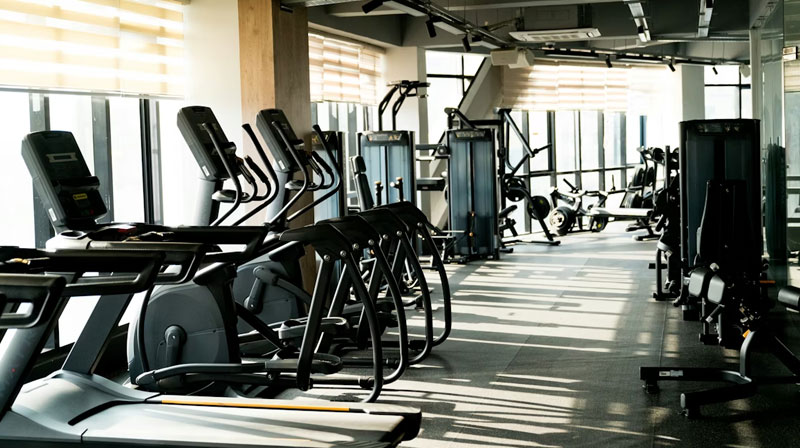
The fitness industry continues to evolve rapidly. By 2026, fitness facilities will not only be defined by the latest equipment but also by how space is designed to support multi‑purpose training, safety, member experience, and new workout modalities. This article explores the most significant trends shaping gym space and equipment in the near future.
1. Multi‑Functional Space Design
Fitness spaces will move away from static zones toward dynamic, configurable areas.
- Transformable flooring and modular rigs allow rearranging strength, cardio, and functional areas based on class schedules.
- Walls and partitions equipped with smart displays can create temporary zones for yoga, HIIT, or recovery classes.
- Studios will adopt “flow‑based layouts” where equipment clusters are arranged in training sequences, reducing member friction and improving circulation.
Why it matters:
Flexible design maximizes utility of every square meter and supports evolving member demand.
2. Smart and Connected Equipment Integration
Connected fitness is no longer niche. By 2026, integrated ecosystems will be standard:
- Machines connected to member profiles, wearables, and mobile apps.
- Gym equipment that automatically adjusts resistance or coaching based on biometric feedback.
- Data dashboards for administrators showing usage patterns, predictions, and equipment maintenance alerts.
Why it matters:
Enhanced personalization increases engagement and member retention.
3. Health‑Centered Recovery Zones
Recovery and well‑being will become fundamental elements of gym space:
- Dedicated recovery rooms with massage tools, stretching stations, hydrotherapy devices.
- Low‑impact machines (recumbent bikes, ellipticals) placed near recovery areas.
- Air purification, soft lighting, and quiet soundscapes integrated into recovery zones.
Why it matters:
Members increasingly seek wellness‑oriented experiences rather than pure performance.
4. Compact Equipment for Hybrid Workspaces
With hybrid work models here to stay, many offices and mixed‑use developments will integrate fitness spaces:
- Compact strength machines
- Space‑saving rigs
- Wall‑mounted cable systems
- Foldable cardio solutions
Why it matters:
Smaller footprints require smarter equipment that doesn’t sacrifice functionality.
5. Sustainability and Eco‑Friendly Design
Environmental consciousness is entering fitness facility planning:
- Energy‑harvesting cardio machines
- Recycled and recyclable materials in equipment frames
- Motion‑sensing lighting and HVAC systems
- Water‑efficient recovery areas
Why it matters:
Sustainable design reduces operating costs and appeals to eco‑aware consumers.
6. Hybrid Training Hubs and Community Areas
Gyms are becoming community hubs:
- Mixed zones with fitness, lounge, educational library, and café
- Open spaces for seminars, group challenges, and events
- Tech‑enabled collaboration points for trainers and members
Why it matters:
Fitness becomes social, not solitary—boosting engagement and loyalty.
FAQ
1. What is “flow‑based layout”?
A layout that positions equipment in training sequences to match natural workout progression, reducing congestion and confusion.
2. Are smart connected systems expensive?
Initial costs can be higher, but long‑term engagement and retention often justify the investment.
3. Will recovery zones replace traditional training areas?
No. They will complement strength and cardio spaces, reflecting the trend toward integrated wellness.
4. How can small gyms adopt these trends?
Start with modular equipment, clear zoning, and phased upgrades.