Choosing the Right Hospital Rehabilitation Gym Equipment Manufacturer
January 17, 2026
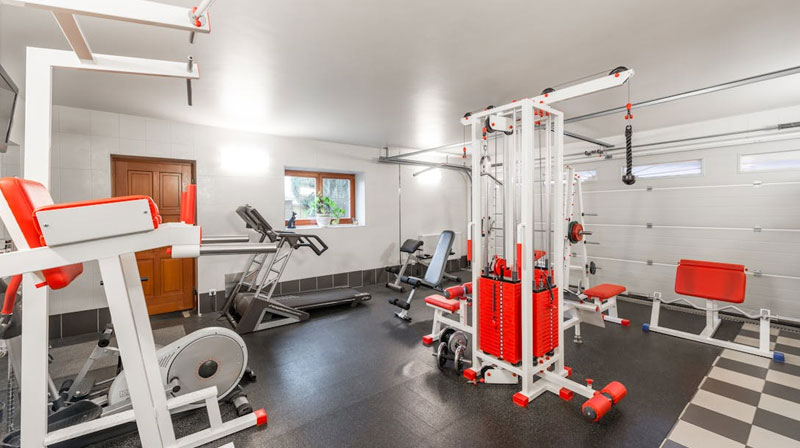
Hospital rehabilitation gyms are fundamentally different from commercial fitness facilities. When hospitals, clinics, and medical centers plan rehabilitation spaces, the choice of a rehabilitation gym equipment manufacturer directly impacts patient safety, treatment outcomes, and long-term operational efficiency.
This article explains what truly matters when selecting a hospital rehabilitation gym equipment manufacturer—and why not all fitness equipment suppliers are suitable for medical environments.
1. Understanding the Difference Between Fitness and Medical Rehabilitation Equipment
Hospital rehabilitation equipment must support:
- Controlled movement instead of maximum load
- Progressive recovery stages rather than performance training
- Therapist-assisted and patient-guided use
Unlike commercial gym machines, rehabilitation equipment focuses on precision, stability, and safety, especially for post-surgery, neurological, and elderly patients.
Manufacturer insight:
A qualified rehabilitation equipment manufacturer designs products around clinical movement patterns, not athletic performance.
2. Compliance With Medical and Safety Standards
Hospitals require strict compliance with:
- Medical-grade material standards
- Load accuracy and repeatability
- Stability testing and fall-prevention design
- Infection-control requirements
A professional manufacturer understands hospital procurement processes and provides documentation that supports medical audits and regulatory reviews.
Manufacturer insight:
Compliance is not an add-on—it must be embedded in product design.
3. Equipment Designed for Therapist Interaction
Hospital rehabilitation gyms are supervised environments. Equipment must allow:
- Easy therapist access from multiple angles
- Manual assistance without obstruction
- Quick adjustment during sessions
- Clear visibility of patient movement
Manufacturers specializing in rehabilitation understand that equipment is a tool for therapists, not just for patients.
4. Modular Systems for Different Rehabilitation Phases
Rehabilitation is progressive:
- Early-stage assisted movement
- Mid-stage controlled resistance
- Late-stage functional strength training
Leading manufacturers offer modular rehabilitation systems that adapt to different phases without replacing entire equipment sets.
Manufacturer insight:
Flexibility reduces long-term hospital investment.
5. Custom Layout and Equipment Planning Support
Hospitals often face space constraints and workflow challenges.
A reliable rehabilitation gym equipment manufacturer provides:
- Equipment zoning recommendations
- Patient flow optimization
- Therapist working area planning
- Integration with existing medical departments
This support goes beyond selling machines—it becomes part of the healthcare solution.
6. Long-Term Service, Training, and Lifecycle Support
Hospital equipment must operate reliably for many years.
Professional manufacturers provide:
- Staff training for therapists
- Preventive maintenance plans
- Spare parts availability
- Equipment lifecycle management
Manufacturer insight:
Service quality directly affects patient care continuity.
FAQ
1. Why can’t hospitals use standard commercial gym equipment?
Commercial equipment is designed for performance, not medical safety and precision.
2. What equipment is essential for hospital rehabilitation gyms?
Selectorized machines, assisted training devices, low-impact cardio, and functional rehab tools.
3. Should manufacturers provide layout planning?
Yes. Rehabilitation efficiency depends heavily on space design.
4. How important is after-sales support?
Critical. Downtime directly impacts therapy schedules.