How to Choose the Right Commercial Gym Equipment for Your Facility
May 15, 2026
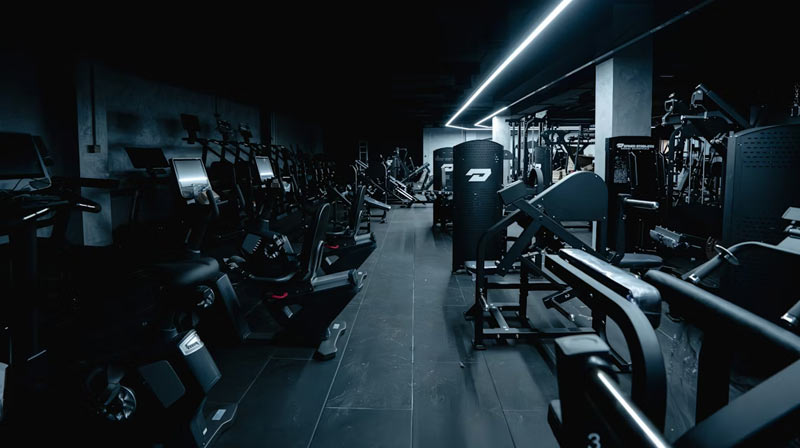
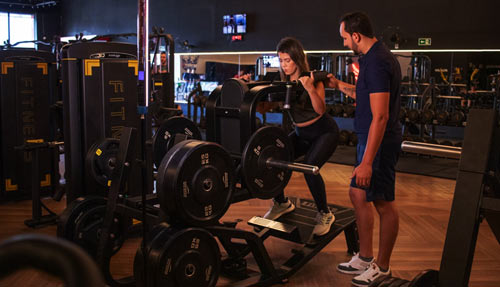
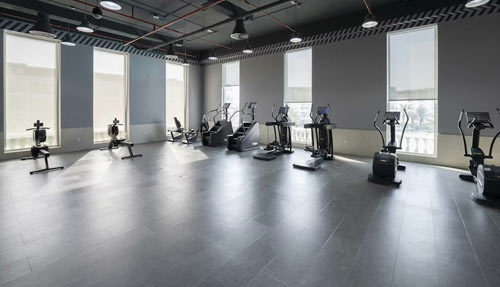
Choosing the right commercial gym equipment is one of the most important decisions when building or upgrading a fitness facility. The equipment you select directly affects member experience, gym efficiency, maintenance costs, and long-term profitability.
However, many gym owners make the mistake of purchasing equipment based only on price or appearance, without considering the actual needs of their facility and users.
This guide explains how to choose the right commercial gym equipment based on facility type, user demand, budget, and long-term operational goals.
1. Understand Your Facility Type
Different fitness facilities require different equipment configurations.
Commercial Gyms
Need a balanced mix of:
- Strength equipment
- Cardio machines
- Functional training zones
- Free weight areas
Commercial gyms must support high daily usage and a wide range of users.
Boutique Studios
Usually focus on specialized training such as:
- Functional fitness
- HIIT
- Personal training
- Group classes
Space efficiency and versatility are especially important.
Hotels and Resorts
Hotel gyms typically require:
- Compact cardio equipment
- Multi-functional strength machines
- User-friendly equipment for casual users
Durability and low maintenance are key considerations.
Schools and Universities
Educational facilities need:
- Durable equipment
- Safe training systems
- Multi-user functionality
Equipment should support both beginners and athletes.
2. Define Your Target Users
Understanding your members is critical before purchasing equipment.
Questions to consider:
- Are your users beginners or advanced athletes?
- Will the gym focus on bodybuilding, weight loss, or functional training?
- What age group will use the facility most frequently?
Different user groups require different equipment priorities.
3. Prioritize Core Equipment Categories
A balanced gym should include several essential categories.
Strength Equipment
Includes:
- Selectorized machines
- Plate-loaded machines
- Smith machines
Strength equipment is usually the core of commercial gyms.
Free Weight Area
Typically includes:
- Dumbbells
- Barbells
- Benches
- Power racks
Free weights provide training flexibility and attract experienced users.
Cardio Equipment
Popular cardio equipment includes:
- Treadmills
- Ellipticals
- Exercise bikes
- Rowing machines
Cardio zones are essential for user diversity and overall gym appeal.
Functional Training Equipment
Includes:
- Functional rigs
- Kettlebells
- Resistance bands
- Suspension trainers
Functional training continues to grow in popularity globally.
4. Consider Space Planning
Equipment selection must match the available facility space.
Important considerations:
- Traffic flow
- Safety distance between machines
- Training zone organization
- Ceiling height for functional areas
Overcrowded gyms reduce user experience and operational efficiency.
5. Evaluate Equipment Quality
Commercial equipment must withstand continuous heavy usage.
Key quality factors include:
- Steel thickness and frame strength
- Welding quality
- Smooth movement mechanics
- High-quality bearings and cables
- Durable upholstery and coatings
Higher-quality equipment usually reduces long-term maintenance costs.
6. Compare Maintenance Requirements
Some equipment requires more maintenance than others.
Higher Maintenance Equipment
- Treadmills
- Electronic cardio machines
- Cable systems
Lower Maintenance Equipment
- Dumbbells
- Benches
- Basic racks
Understanding maintenance requirements helps reduce future operating costs.
7. Balance Budget and Long-Term Value
Choosing the cheapest equipment is rarely the best long-term strategy.
Instead, focus on:
- Durability
- User experience
- Maintenance cost
- Equipment lifespan
A slightly higher upfront investment often results in lower total ownership cost.
8. Work With a Professional Manufacturer
An experienced manufacturer can help with:
- Equipment selection
- Space planning
- 2D/3D gym layouts
- Budget optimization
- Full project solutions
Professional guidance helps avoid costly mistakes.
Conclusion
Choosing the right commercial gym equipment requires more than simply comparing prices. Facility type, user demand, space planning, durability, and maintenance all play important roles.
By selecting equipment strategically, gym owners can improve member satisfaction, reduce operational costs, and build a more successful fitness business.
FAQ
1. What equipment is most important for a commercial gym?
Strength and cardio equipment are usually the top priorities.
2. How do I choose equipment for a small gym?
Focus on versatile, space-saving equipment.
3. Is expensive equipment always better?
Not always, but higher-quality equipment often lasts longer.
4. Can manufacturers help plan the gym layout?
Yes, many manufacturers provide layout and design support.