How to Choose the Right Gym Equipment for Your Target Market
April 03, 2026
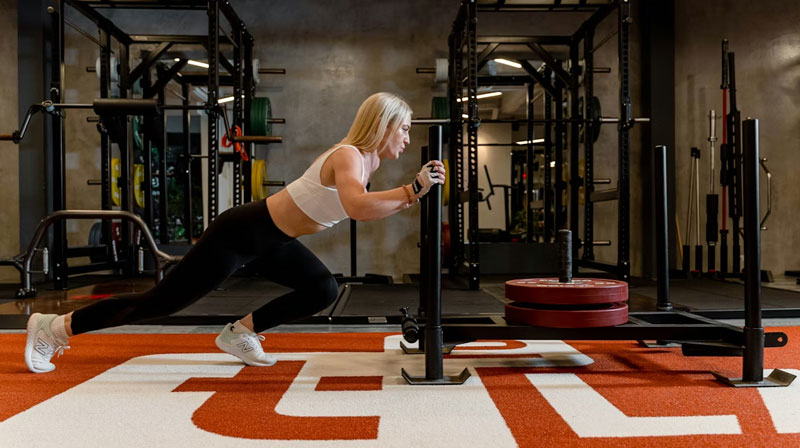
Choosing the right gym equipment is not just about budget or brand—it’s about understanding your target market.
Different users have different training habits, expectations, and fitness goals. Selecting equipment without considering your audience often leads to low usage rates, wasted investment, and poor member retention.
This guide explains how to align your gym equipment selection with your target market to maximize both performance and profitability.
1. Identify Your Core User Group
Before selecting any equipment, define who your gym is built for:
- Beginners and general fitness users
- Experienced lifters and athletes
- Personal training clients
- Corporate or hotel users
- Students or younger demographics
Each group requires a different balance of equipment types, complexity, and intensity.
2. Equipment for Beginners and General Users
For gyms targeting the mass market, simplicity and safety are key.
Recommended focus:
- Selectorized strength machines
- Easy-to-use cardio equipment
- Basic free weights
- Clear instructional design
These users prefer intuitive machines that require minimal training and reduce injury risk.
3. Equipment for Strength-Focused and Advanced Users
If your target market includes experienced lifters, your equipment mix should emphasize:
- Plate-loaded machines
- Free weight zones (barbells, racks, benches)
- Heavy-duty strength equipment
- Functional training rigs
Advanced users prioritize performance, durability, and training variety.
4. Equipment for Boutique and Personal Training Studios
Boutique gyms and PT studios focus on flexibility and space efficiency.
Recommended equipment:
- Multi-functional training systems
- Adjustable benches and compact racks
- Functional tools (kettlebells, resistance bands)
- Small group training setups
These environments require equipment that supports diverse workouts in limited space.
5. Equipment for Corporate, Hotel, and Apartment Gyms
For light-use environments, the priority is accessibility and versatility.
Key features:
- Compact equipment footprint
- Low-maintenance machines
- Quiet operation
- Balanced mix of cardio and strength
Users in these spaces often prefer convenience over intensity.
6. Balance Between Strength, Cardio, and Functional Areas
Regardless of the target market, a balanced gym should include:
- Strength training (core focus)
- Cardio equipment (for accessibility)
- Functional training (for flexibility)
The exact ratio should be adjusted based on user preferences and available space.
7. Avoid Common Equipment Selection Mistakes
Many gym owners make similar mistakes:
- Buying too many machines with low usage
- Ignoring user behavior
- Overcrowding the space
- Choosing equipment based only on price
A data-driven and user-focused approach leads to better long-term results.
Conclusion
Choosing the right gym equipment starts with understanding your target market.
By aligning equipment selection with user needs, gym owners can improve member satisfaction, increase usage rates, and maximize return on investment.
The most successful gyms are not those with the most equipment—but those with the right equipment for the right users.
FAQ
1. Why is target market important when choosing gym equipment?
Because different users have different needs, which directly affect equipment usage and satisfaction.
2. Should all gyms have the same equipment mix?
No. Equipment selection should be tailored to the gym’s target audience.
3. What equipment is best for beginners?
Selectorized machines and easy-to-use cardio equipment.
4. Can manufacturers help choose equipment?
Yes, experienced manufacturers can recommend equipment based on your market.