2026 Trends in Fitness Facility Design and Equipment Planning
February 02, 2026
As the global fitness industry matures, 2026 marks a clear shift away from equipment-heavy gyms toward experience-driven, space-efficient, and data-informed fitness facilities.
Operators are no longer asking “How many machines do we need?” but rather “How should this space perform?”
1. From Maximum Density to Purpose-Driven Space Planning
In the past, gym success was often measured by equipment count. In 2026, success is defined by:
- Member flow efficiency
- Clear functional zoning
- Reduced congestion during peak hours
Modern facilities prioritize purpose-built zones such as strength, cardio, functional training, and recovery—each with a clear role in the user journey.
2. Multi-Functional Equipment Replacing Single-Use Machines
Space constraints and rising rents push gyms to favor:
- Dual-function strength machines
- Adjustable benches and racks
- Hybrid cardio–strength equipment
These solutions reduce floor space requirements while increasing programming flexibility, making facilities more adaptable to changing trends.
3. Strength Training Continues to Dominate Floor Space
Across commercial gyms, schools, corporate facilities, and hotels, strength training remains the core driver of engagement.
In 2026, layouts increasingly emphasize:
- Plate-loaded equipment
- Free-weight zones
- Guided strength machines for beginners
Strength areas are now designed for inclusivity, not intimidation.
4. Recovery and Mobility Become Permanent Zones
Recovery is no longer an add-on. Facilities now allocate dedicated space for:
- Stretching and mobility
- Soft tissue recovery
- Low-impact movement
This trend reflects growing awareness of injury prevention, longevity, and sustainable training habits.
5. Technology as Infrastructure, Not a Feature
Smart equipment is evolving from novelty to baseline expectation.
Key technology integrations include:
- Usage tracking
- Preventive maintenance data
- Digital workout guidance
Rather than overwhelming users, technology is embedded quietly to support operators and members alike.
6. Flexible Spaces for Group and Individual Training
Facilities increasingly require spaces that support:
- Small group training
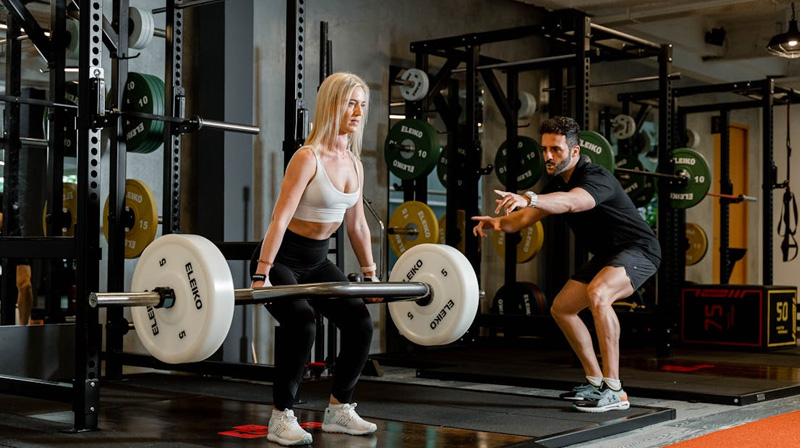
- Personal training sessions
- Open functional use
Movable equipment and modular layouts allow gyms to adapt throughout the day without major reconfiguration.
7. Sustainability Influences Equipment and Layout Choices
Environmental responsibility now impacts purchasing decisions. Operators consider:
- Equipment lifespan
- Maintenance frequency
- Energy-efficient cardio machines
Durability and long-term value outweigh short-term cost savings.
FAQ
1. Are large gyms becoming less popular in 2026?
Not necessarily, but space efficiency is more important than size.
2. Is smart equipment mandatory?
It’s increasingly expected, especially in commercial facilities.
3. How much space should be allocated to recovery zones?
Typically 10–15% of total gym area.
4. Do these trends apply to non-commercial gyms?
Yes, including schools, hotels, and corporate facilities.