Gym Equipment for Colleges & Universities: Building Modern Campus Fitness Centers
July 25, 2026
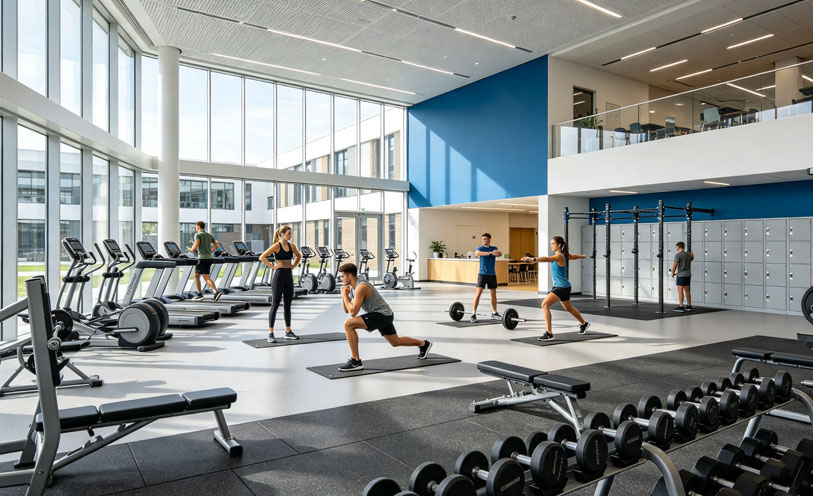
Modern colleges and universities are investing more than ever in campus fitness facilities. A well-designed gym is no longer just an optional student amenity—it has become an important part of student life, supporting physical health, mental well-being, athletic performance, and campus engagement.
Whether serving thousands of students in a university recreation center, supporting varsity athletic teams, or providing wellness facilities for faculty and staff, college gyms require commercial-grade fitness equipment capable of handling continuous daily use.
Unlike traditional commercial gyms that primarily serve paying members, university fitness centers must accommodate users with different fitness levels, training goals, and schedules. Equipment should therefore be versatile, durable, safe, and easy to maintain.
This guide explains how to choose commercial gym equipment for colleges and universities, recommended equipment categories, facility planning strategies, and the key factors to consider when creating a modern campus fitness center.
1. Understanding the Needs of College and University Fitness Centers
University fitness facilities typically serve a much broader population than standard commercial gyms.
Daily users may include:
- Undergraduate students
- Graduate students
- Faculty members
- Administrative staff
- Student athletes
- Campus recreation programs
- Sports clubs
- Community education participants
Because users have different experience levels and fitness objectives, facilities should offer equipment suitable for beginners, recreational exercisers, and advanced athletes alike.
2. Define the Primary Purpose of the Facility
Before selecting equipment, determine how the fitness center will be used.
Common objectives include:
General Student Fitness
Most students use campus gyms to improve overall health, build strength, lose weight, or reduce stress.
Recommended equipment includes:
- Commercial treadmills
- Elliptical trainers
- Exercise bikes
- Selectorized strength machines
- Adjustable benches
- Dumbbells
These machines are easy to use and suitable for users with varying levels of fitness experience.
Athletic Performance Training
Many universities also support varsity teams and competitive sports programs.
Recommended equipment includes:
- Power racks
- Olympic lifting platforms
- Plate-loaded strength machines
- Functional trainers
- Sprint sleds
- Plyometric boxes
These systems help athletes improve strength, power, speed, and overall sports performance.
Group Fitness Programs
Group exercise classes are popular on college campuses.
Recommended equipment may include:
- Indoor cycling bikes
- Yoga mats
- Resistance bands
- Kettlebells
- Medicine balls
- Step platforms
Dedicated studios allow universities to offer yoga, HIIT, cycling, dance fitness, stretching, and wellness classes.
3. Create a Comprehensive Cardio Area
Cardiovascular equipment is one of the busiest sections in any university gym.
A balanced cardio zone should include:
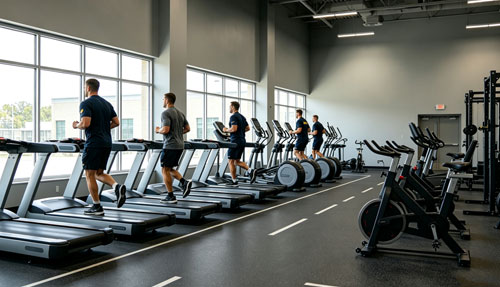
- Commercial treadmills
- Elliptical trainers
- Upright bikes
- Recumbent bikes
- Rowing machines
- Stair climbers
- SkiErg trainers
Providing different cardio options helps students choose activities that match their fitness goals and physical abilities.
Equipment with built-in entertainment systems or device connectivity can also improve the overall user experience.
4. Build a Complete Strength Training Area
Strength training remains one of the most popular activities among university students.
A comprehensive strength area should combine selectorized equipment with free-weight training.
Recommended upper-body machines include:
- Chest press
- Shoulder press
- Lat pulldown
- Seated row
- Pec fly / rear delt
- Functional cable crossover
Recommended lower-body equipment includes:
- Leg press
- Hack squat
- Leg extension
- Leg curl
- Glute machine
- Standing calf raise
This combination allows users to safely train every major muscle group.
5. Develop a Free Weight Zone
Many experienced students prefer free-weight exercises because they improve coordination, balance, and overall athletic performance.
Recommended equipment includes:
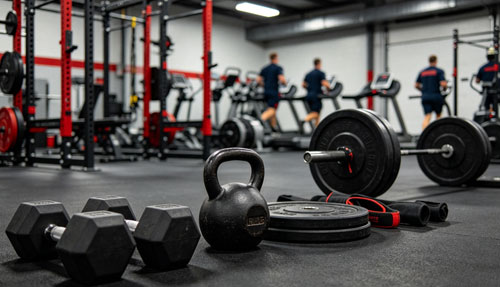
- Rubber dumbbells from 2.5 kg to 50 kg or higher
- Olympic barbells
- EZ curl bars
- Weight plates
- Adjustable benches
- Flat benches
- Deadlift platforms
- Weight storage racks
Commercial rubber flooring should be installed to protect both equipment and the building.
6. Include a Functional Training Area
Functional training has become increasingly popular in university recreation centers.
A dedicated functional training area may include:
- Multi-station functional rigs
- Suspension trainers
- Battle ropes
- Kettlebells
- Medicine balls
- Sandbags
- Plyometric boxes
- Agility ladders
- Resistance bands
These tools help improve coordination, mobility, flexibility, balance, and full-body strength.
7. Design Spaces for Student Wellness
Today's campus fitness centers are expected to support more than physical exercise.
Many universities also include:
- Stretching zones
- Recovery areas
- Foam rolling stations
- Mobility equipment
- Quiet wellness spaces
These areas encourage injury prevention, stress relief, and overall well-being.
8. Prioritize Safety and Accessibility
Because university gyms serve users with different fitness backgrounds, equipment should be safe and accessible.
Important considerations include:
- Stable equipment frames
- Easy-to-understand adjustment mechanisms
- Anti-slip platforms
- Ergonomic seating
- Clearly labeled instructions
- Accessible equipment layout
Providing equipment suitable for beginners encourages wider participation across the campus community.
9. Plan for Long-Term Durability
Campus fitness centers often operate from early morning until late at night, with hundreds or even thousands of users every day.
Commercial equipment should therefore feature:
- Heavy-duty steel construction
- Precision welding
- High-quality bearings
- Durable upholstery
- Scratch-resistant powder coating
- Corrosion-resistant finishes
High-quality equipment reduces maintenance costs and extends service life.
10. Work with an Experienced Commercial Gym Equipment Manufacturer
Choosing an experienced manufacturer ensures that the entire project is completed efficiently.
Look for suppliers that provide:
- Commercial-grade equipment
- OEM & ODM manufacturing
- Custom colors and branding
- 2D and 3D gym layout design
- Professional installation guidance
- International quality certifications
- Spare parts support
- Reliable after-sales service
An experienced manufacturer can also recommend equipment based on available space, student population, and project budget.
Conclusion
A modern college or university fitness center should provide a balanced combination of cardio equipment, strength machines, free weights, functional training systems, and wellness spaces.
By investing in durable commercial gym equipment and working with an experienced manufacturer, educational institutions can create safe, attractive, and high-performing fitness facilities that enhance student health, athletic performance, and campus life for many years to come.
FAQ
1. What equipment is essential for a college or university gym?
Commercial cardio equipment, selectorized strength machines, free weights, and functional training equipment form the foundation of most campus fitness centers.
2. Why should universities choose commercial gym equipment?
Commercial equipment offers greater durability, enhanced safety, and lower maintenance costs compared with residential fitness equipment.
3. Should university gyms include functional training areas?
Yes. Functional training improves balance, coordination, flexibility, and overall athletic performance while supporting a wide variety of training programs.
4. Can a commercial gym equipment manufacturer design the entire facility?
Yes. Many manufacturers provide equipment recommendations, 2D and 3D layouts, customized branding, installation guidance, and long-term after-sales support.